2022 Research & Conservation Intern Experiences
In the Summer of 2022, Ulysses Oles, Lezlie Dominguez, Basil Gaffney, and Sarah Butler were

The BRIT Philecology Herbarium contains approximately 1,445,000 plant specimens from around the world, making it one of the largest herbaria in the United States. More can be found about the collections by visiting the About the BRIT Herbarium page.
The Philecology Herbarium is open for public use by appointment, from 10 am to 4 pm, Monday through Friday. Please contact us beforehand to make sure someone will be available to orient you and assist you if necessary. FWBG|BRIT is closed on most national holidays.
In the Summer of 2022, Ulysses Oles, Lezlie Dominguez, Basil Gaffney, and Sarah Butler were
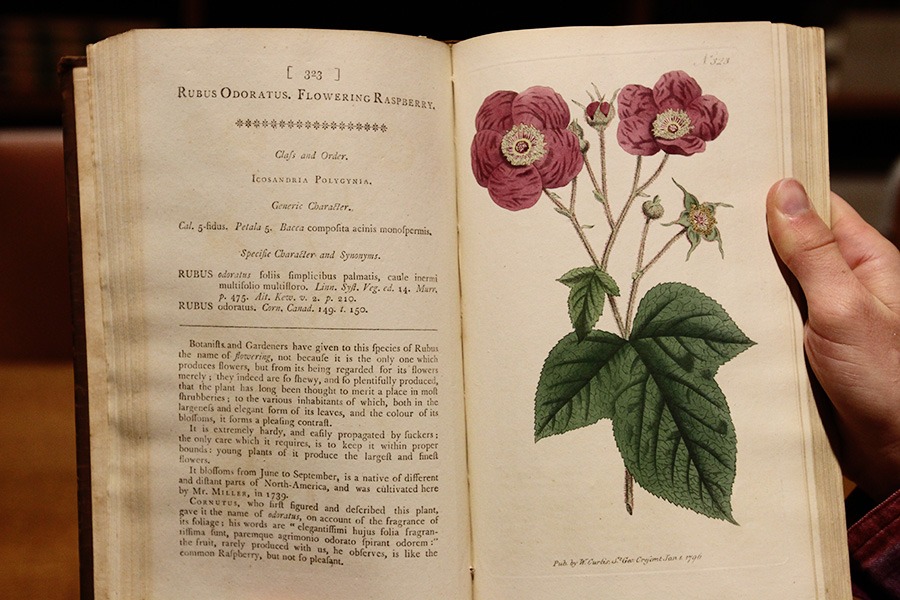
The history of civilization can be told through pictures of plants. The roots of botanical art and the science of botany began in ancient Greek and Roman times, depicting plants as a means of understanding and recording their potential uses.
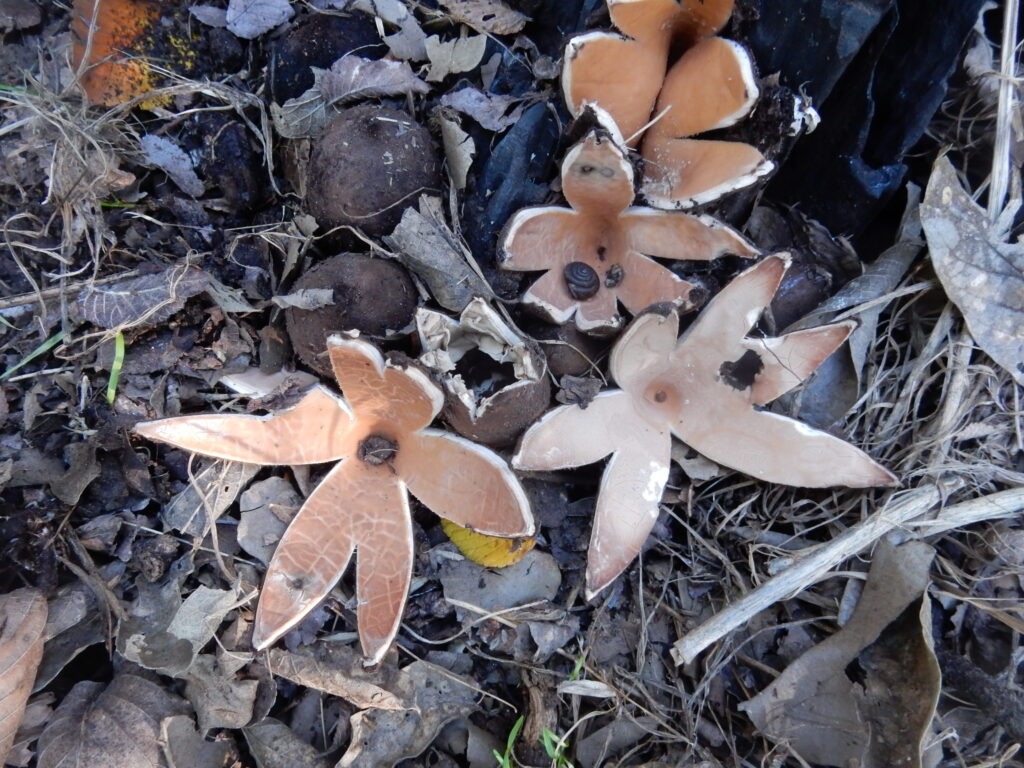
The rare and rather unique, star-shaped fungus with the Latin name Chorioactis geaster received official designation this
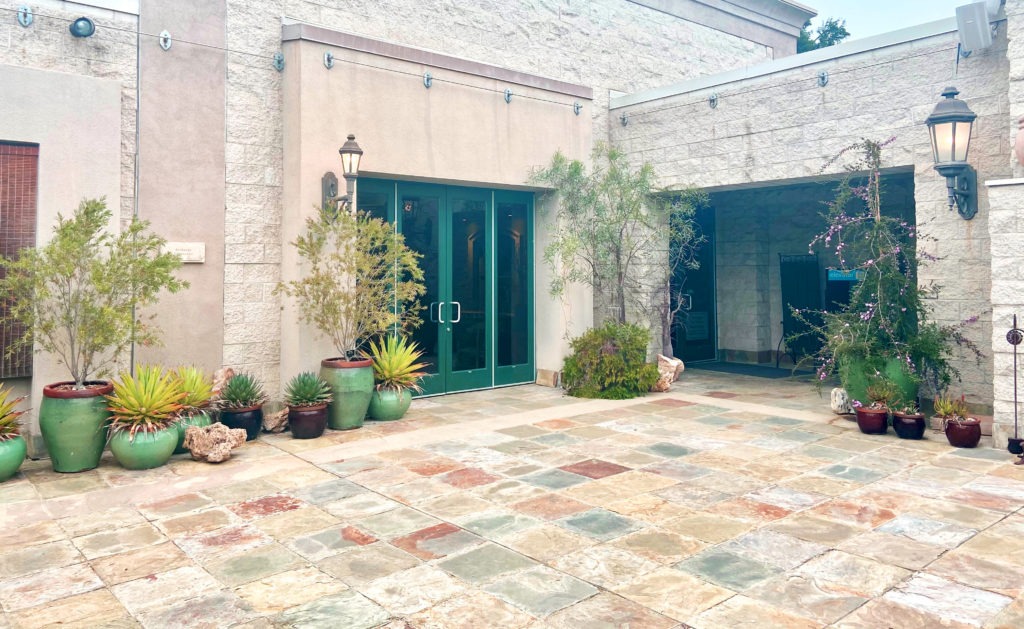
As part of the Library’s Collection Lens series, BRIT Librarian, Brandy Watts, interviews Sean Lahmeyer of the Huntington Herbarium who discusses the history of the collection and its growth through the years.

A Peek Inside Sumner Lab on National DNA Day Lab Volunteer, Jerrod Stone, shares his
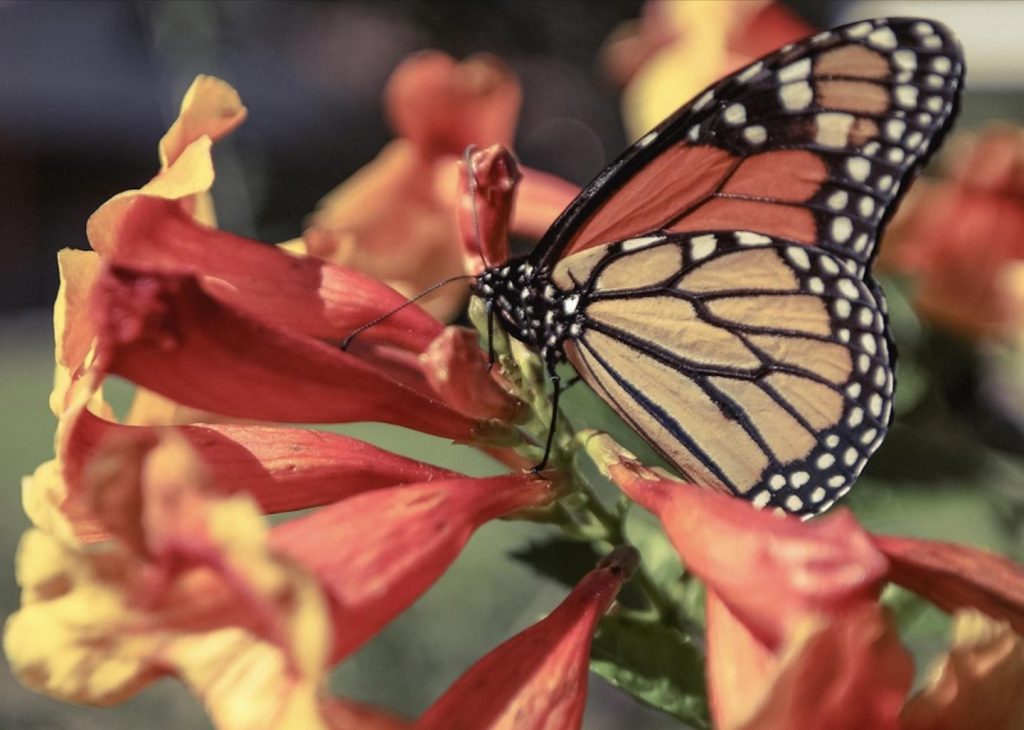
As part of BRIT Library’s Botany Stories series, BRIT’s new Conservation Research Botanist, Megan O’Connell, discusses her interest in Texas prairie ecosystems and Texas Blackland Prairie.
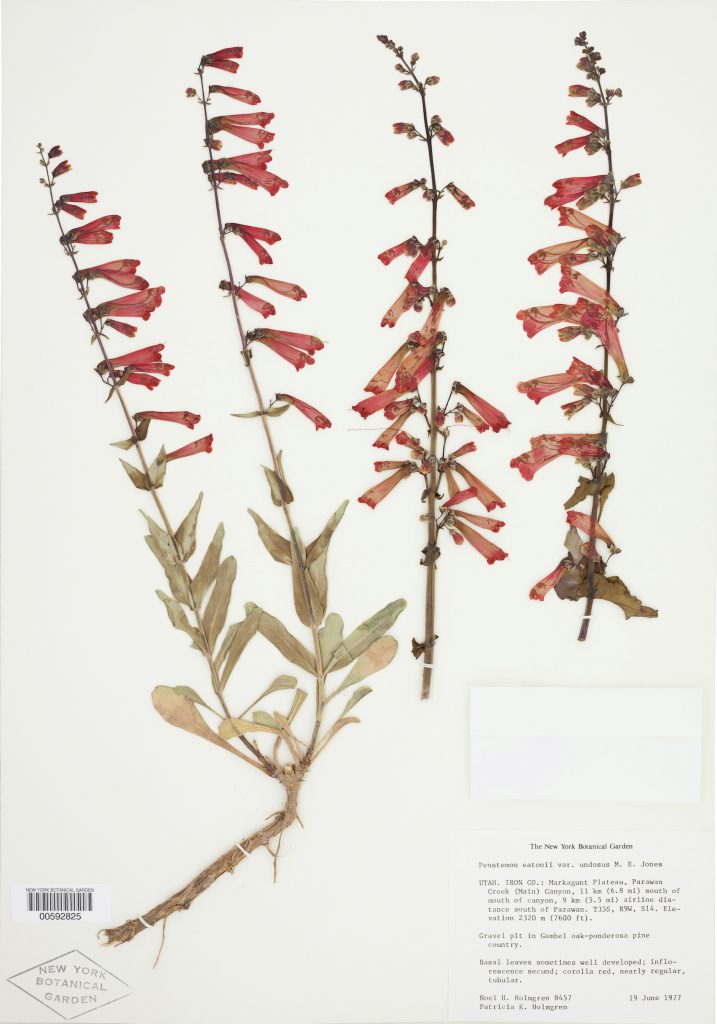
BRIT Librarian, Brandy Watts, interviews Barbara Thiers, Director of the William and Lynda Steere Herbarium at the New York Botanical Garden, who she discusses funding natural history collections and the Extended Specimen Network.
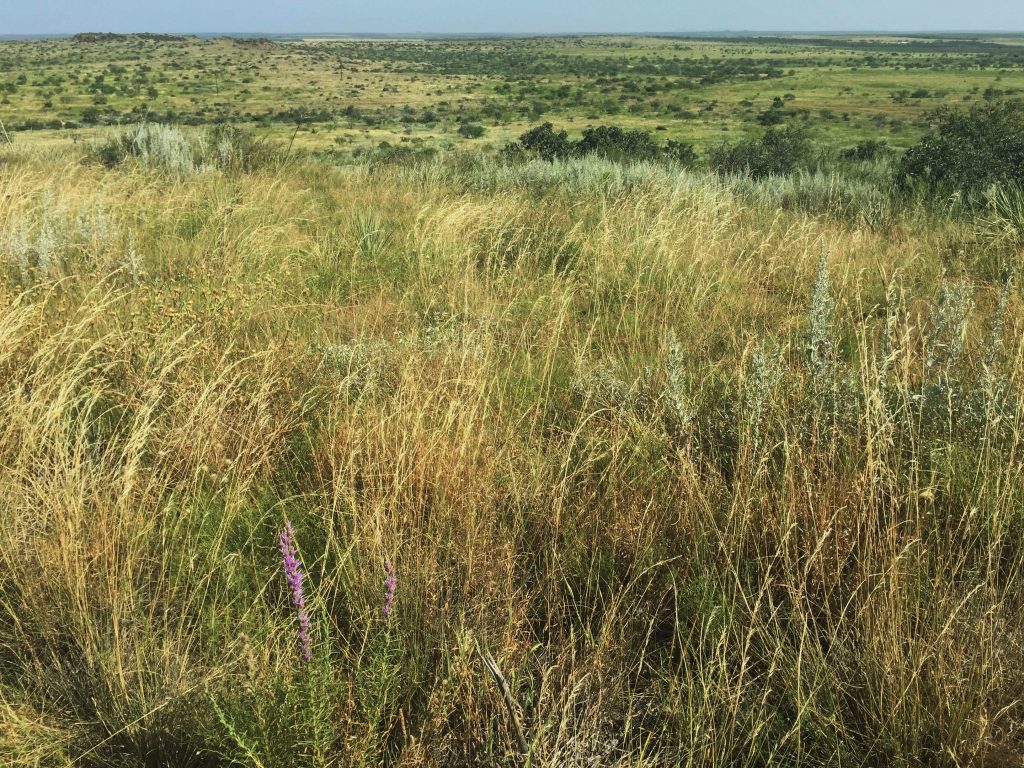
Dan Caudle discusses his interest in grasses and grasslands, giving particular attention to his work with Meredith Ellis, a young rancher and committed conservationist in Cooke County, Texas.
Jessica started working with the Philecology Herbarium as an intern...
FORT WORTH BOTANIC GARDEN
3220 Botanic Garden Blvd
Fort Worth, Texas 76107
(817) 463-4160
Click here to email us!
BOTANICAL RESEARCH INSTITUTE OF TEXAS
We respectfully acknowledge that the Fort Worth Botanic Garden is located on traditional lands of Indigenous Peoples. We honor the ancestry, heritage, and gifts of all Indigenous Peoples who were sustained by these lands and give thanks to them. We are grateful that these lands continue to provide enrichment for many people today. [More…]
©2023 Fort Worth Botanic Garden