
Past Research Projects

BRIT staff have been involved in a variety of projects in Texas and at international sites. The following highlights many of the projects that were completed within the past 15 years.  

Andes to Amazon Biodiversity Program in Peru (AABP)

Although this program is still on-going, some of the projects that were initiated through it have been completed. In 2004, the Andes to Amazon Biodiversity Program at BRIT teamed up with the Texas Christian University (TCU) Environmental Science and Biology programs in the College of Science and Engineering to provide graduate-level education opportunities in biodiversity and environmental science. The first class of three M.S. students completed their projects in the spring and summer of 2007, and the second class of three students completed their projects in the spring of 2008. The research completed by these students covered a range of topics: diversity of fungi and vanilla orchids found within the Amazonian jungle to the diversity of orchids in the Andean cloud forests. 

Dr. John Janovec and Fernando Cornejo conducted a thorough investigation of the various seeds of Amazonian plants.  From this research they produced a manuscript entitled Seeds of Amazonian Plants published by Princeton Press. You can read more about these projects on the AABP website


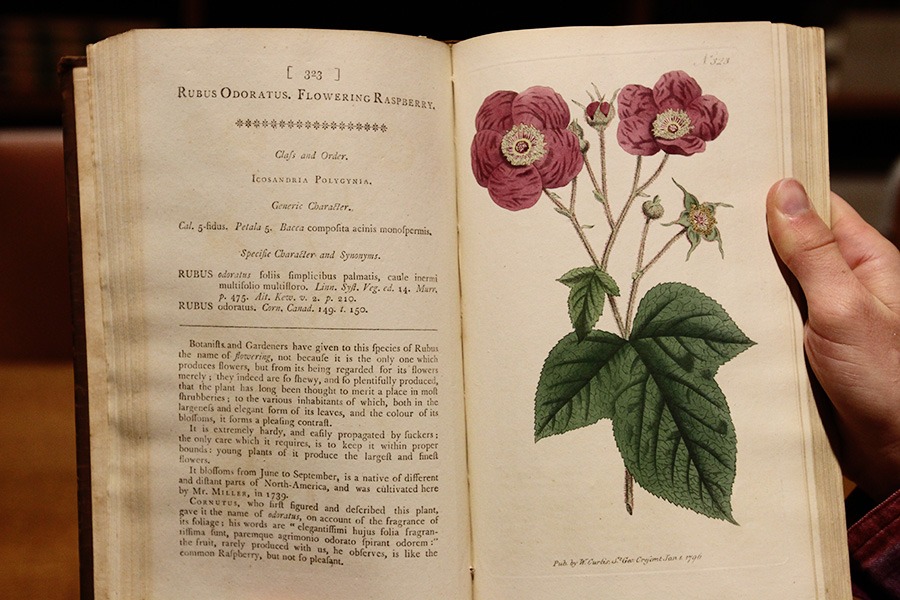
Illustrated Flora of North Central Texas

This flora was the first fully illustrated flora for any region of Texas or adjacent states. It is the most comprehensive guide to a large portion of the diverse plant life of Texas and covers all the native and naturalized vascular plants known to occur in North Central Texas, an area about the size of Kentucky.

Learn more about the project and how to order a copy, click here.

Papua New Guinea

Former BRIT researcher Robert Johns worked for several years in New Guinea, documenting its rich plant life. You can read more about his work here.


Cochlospermum sp. taken by © David Liittschwager
   
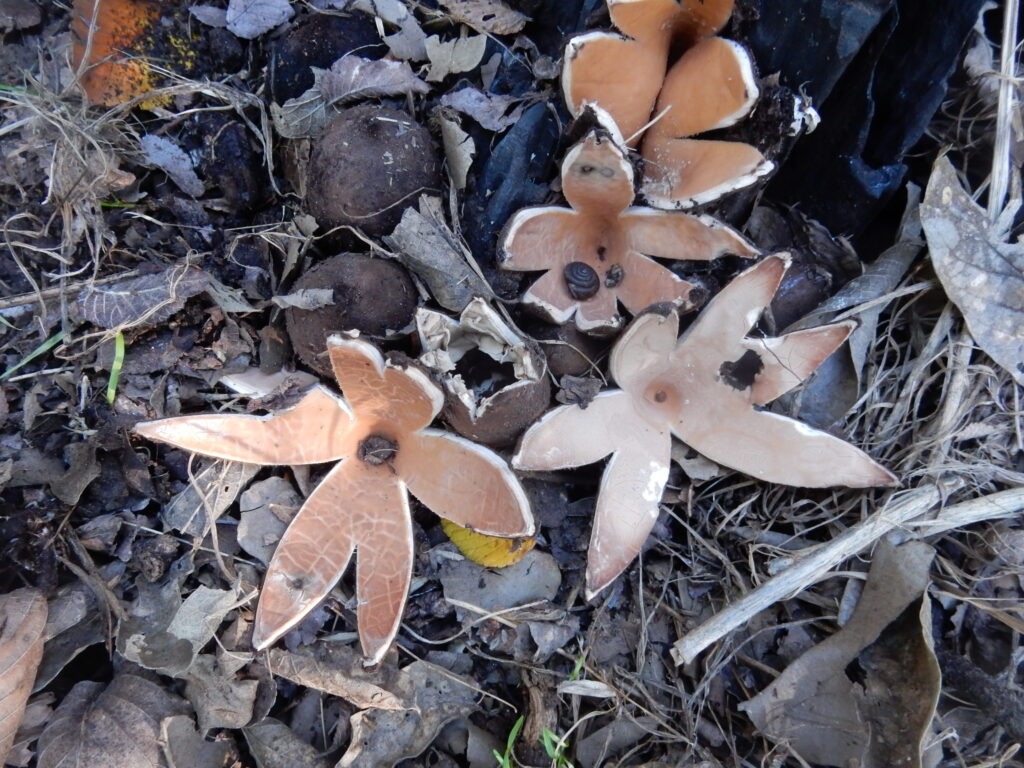
The AABP team has studied the diversity of moths that are found within the Amazonian rainforest and Andean Cloud forest. Pedro Centeno, parataxonomist, worked for several years to inventory the variety of moths in the Andes-Amazon region by working at night.  Pedro used halogen lamps and white sheets to attract moths and then captured them for further identification and study. The insect above met its death not from a human but from a fungus. Romina Gazis, former TCU-BRIT graduate student, spent several months studying the diversity of fungi in the Amazonian lowlands.  She also studied the interactions between fungi and insects. Dr. Mathias Tobler studied the life history patterns of the lowland tapir (Tapirus terrestris).  Mathias attached global positioning systems (GPS) to several tapirs. You can read more about this project on the AABP website.