Brit Subheader

Welcome to the BRIT Herbarium

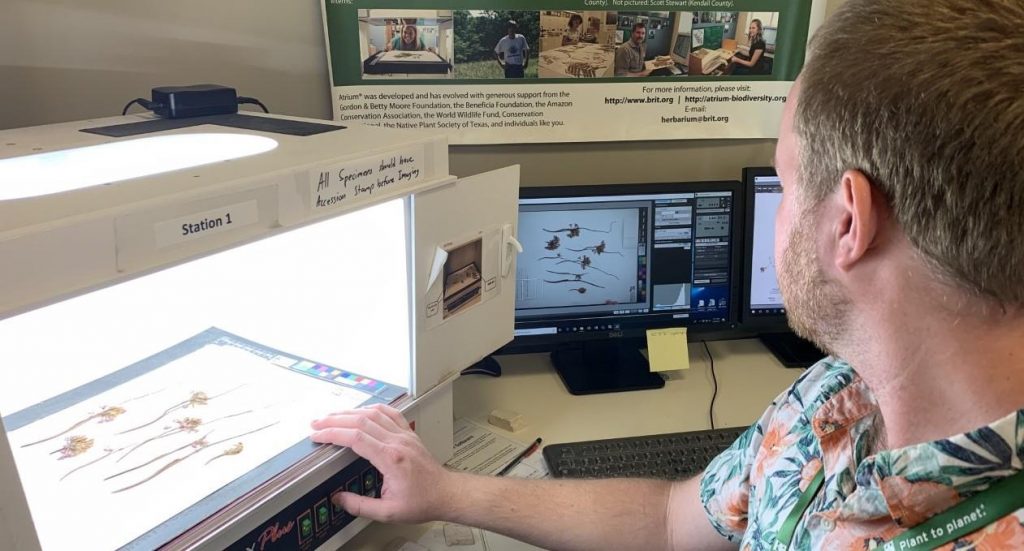
Sorting specimens in the BRIT Herbarium

What is a herbarium?

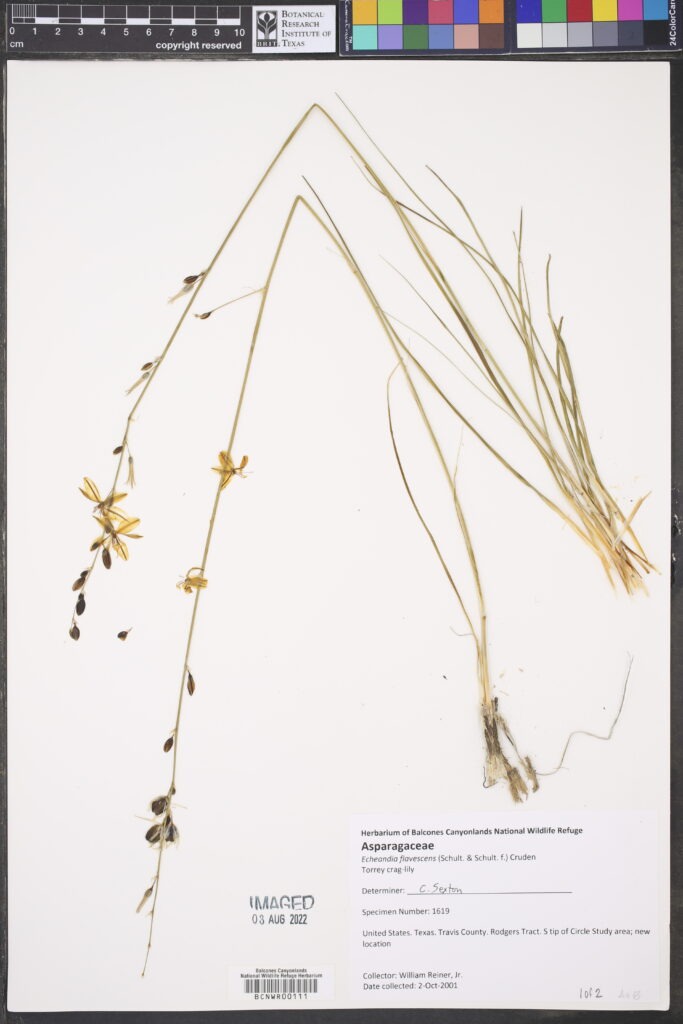
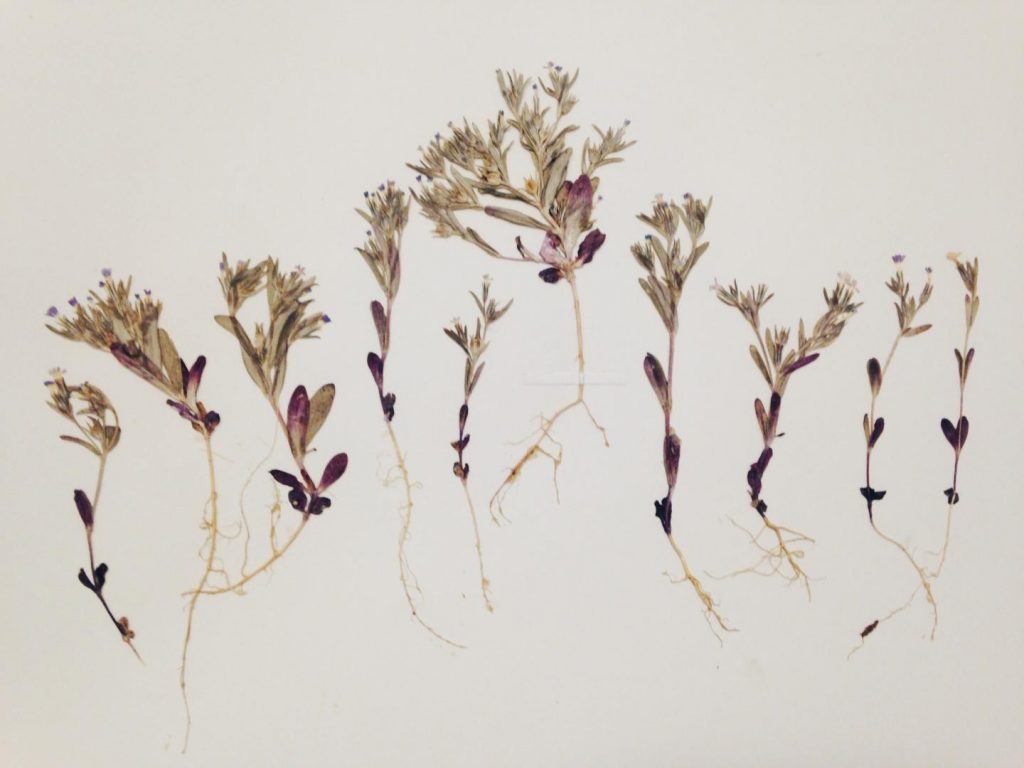
A herbarium is a museum of preserved plants that are used for botanical research.  Each dried plant is mounted on archival paper with a label--this is a herbarium specimen.  The label on the specimen provides descriptive and ecological collection data, as well as the name of the collector(s) and the date of collection. 

Herbarium specimens are stored in special cabinets and are filed in order by taxonomic group and then by geographic origin.  Herbaria are a permanent record of the Earth’s biodiversity.  They are also a record of the variation within a species.  They allow comparison of different species from one area (floristic studies), or of individuals of the same species from a range of sites (revisionary and monographic studies).  They also serve as reference collections for those wishing to identify an unknown plant, or for those wishing to obtain samples for more in-depth comparisons of material, such as pollen structure or DNA sequences.

Over one million plant specimens are housed in the BRIT Herbarium (the combined BRIT-SMU and VDB collections), making this the largest independent herbarium in the southeastern US.  The herbarium has particular strengths in the plants of Texas, Oklahoma, Arkansas, Alabama, Tennessee, and all of the Gulf Coast and southeastern United States.  However, these collections are worldwide in scope, and most of the Earth’s plant families are represented here.